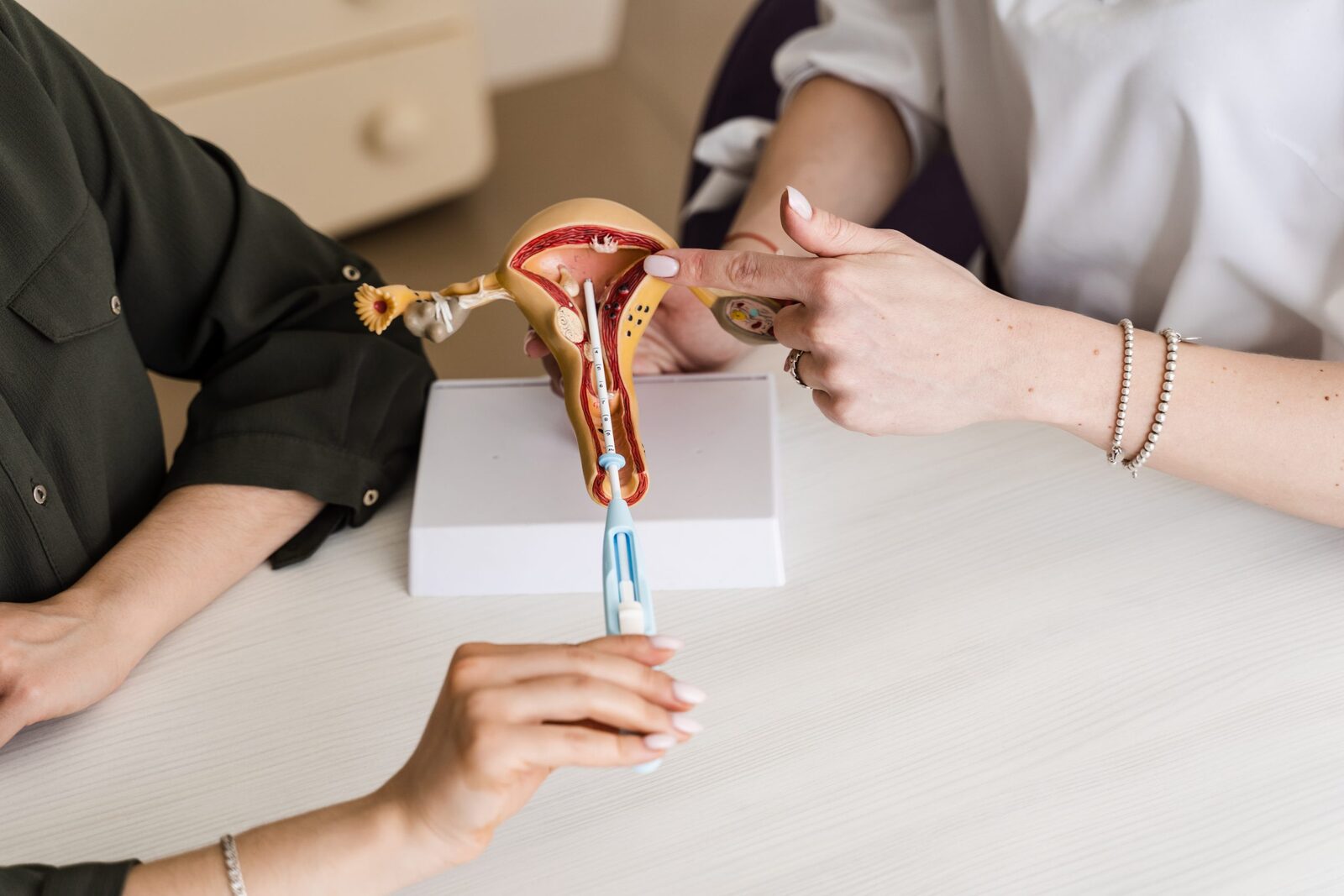
Mirena insertion can be slightly uncomfortable and painful for some individuals. It is not impossible to manage the pain and discomfort; you can even lessen the pain by considering a few things before the procedure.
This guide contains information regarding Mirena insertion and pain management. Do not skip it if you want to lessen the pain.
What happens in a Mirena Insertion?
Mirena insertion involves a healthcare provider placing a small, T-shaped hormonal IUD into your uterus through the cervix using a special inserter, causing potential quick pinching, cramping, spotting for months, and sometimes dizziness, but the process is quick (under 15 mins) and offers long-term birth control.
Period-like cramps, spotting, or irregular bleeding are common for the first 3-6 months as your body adjusts to it. A dizzy feeling is also normal. Your healthcare provider may suggest over-the-counter and heat packs for relief.
How to Make Mirena Insertion More Comfortable?
During insertion, you need to recline on the examination table. A healthcare provider will insert the Mirena, and the procedure typically takes a few minutes, but cramping is common. The pain level varies. If you are sensitive to pain, let your healthcare provider know beforehand so they can discuss options that can make the procedure more comfortable. These options include:
- Take ibuprofen before the appointment.
- Taking misoprostol, a prescription, prior to the procedure to soften the cervix.
- Getting lidocaine injections at the office before insertion.
- Keeping distractions during the procedure, like conversations with the provider.
The best way to ensure the procedure is comfortable and painless is by talking to the provider openly about the procedure and the concerns you have, so that they can completely address them before the procedure.
Are Dietary Changes Needed Before Mirena Insertion?
No specific dietary changes are needed before a Mirena insertion, but it is recommended that you eat a light meal and drink plenty of fluids 1-2 hours beforehand. Having food and fluids can help reduce the likelihood of feeling lightheaded or dizzy after the procedure. Here is how you can prepare:
- Healthcare providers strongly recommend taking an over-the-counter nonsteroidal anti-inflammatory drug (NSAID), such as ibuprofen or naproxen, with food about one hour before your appointment to help manage cramping.
- Drink plenty of water throughout the day of the procedure.
- The procedure may cause cramping, so consider arranging for a friend to drive you home and plan for light activity for the rest of the day.
- Avoid unprotected sex for two weeks before the procedure, or schedule the insertion during your period, when your cervix is naturally softer and slightly more open. You will likely be given a pregnancy test at the clinic.
- Wear loose-fitting clothing and "sensible" underwear, and bring a sanitary pad for potential light bleeding or discharge afterwards.
You must know why you are proceeding with the procedure, so here is some more information regarding the effectiveness of the procedure.
How Effective is Mirena?
Mirena is over 99% effective at preventing pregnancy for up to eight years. It is also FDA-approved to treat heavy menstrual bleeding for up to five years in women who choose it for contraception.
- In pregnancy prevention, it is more than 99% effective, with less than 1 in 100 women getting pregnant in a year. Provides pregnancy protection for up to eight years.
- Approved to treat heavy periods for up to five years in women who use it for contraception. It can reduce period-related pain and anaemia. It can be used for extended periods to treat heavy bleeding.
- If inserted within seven days of the start of a period, it is effective immediately. Otherwise, use another method of birth control for seven days.
- Mirena does not protect against sexually transmitted infections (STIs), so condoms are still necessary for STI prevention.
- Common side effects like spotting, cramping, and headaches often improve within 3-6 months.
Whom to consult for Mirena Insertion?
For Mirena insertion, you should consult an Obstetrician-Gynaecologist (OB-GYN) or a trained Nurse Practitioner (NP), typically at a doctor's office, family planning clinic, or hospital, who will discuss your health history, perform an exam, and then expertly place the hormonal IUD for pregnancy prevention or managing heavy periods.
You can search for “Mirena Insertion near me”, check the experience and get a consultation done before the procedure. Do not be ashamed of sharing the information your healthcare provider asks for, and do inform them if you are sensitive to pain so they can help.

 Everywhere
 Members
 Albums